

May 1, 2025
If you haven’t noticed, electric vehicles are everywhere! New models and designs are hitting the road every day. The biggest change is where do you “fill them up”? We have been used to pulling into the service station and driving away with a full tank, five minutes later.
The way you charge your electric vehicle depends on how quickly you need the charge. From fast charge stations to trickle chargers, a full charge can take anywhere from 30 minutes to 12 hours.
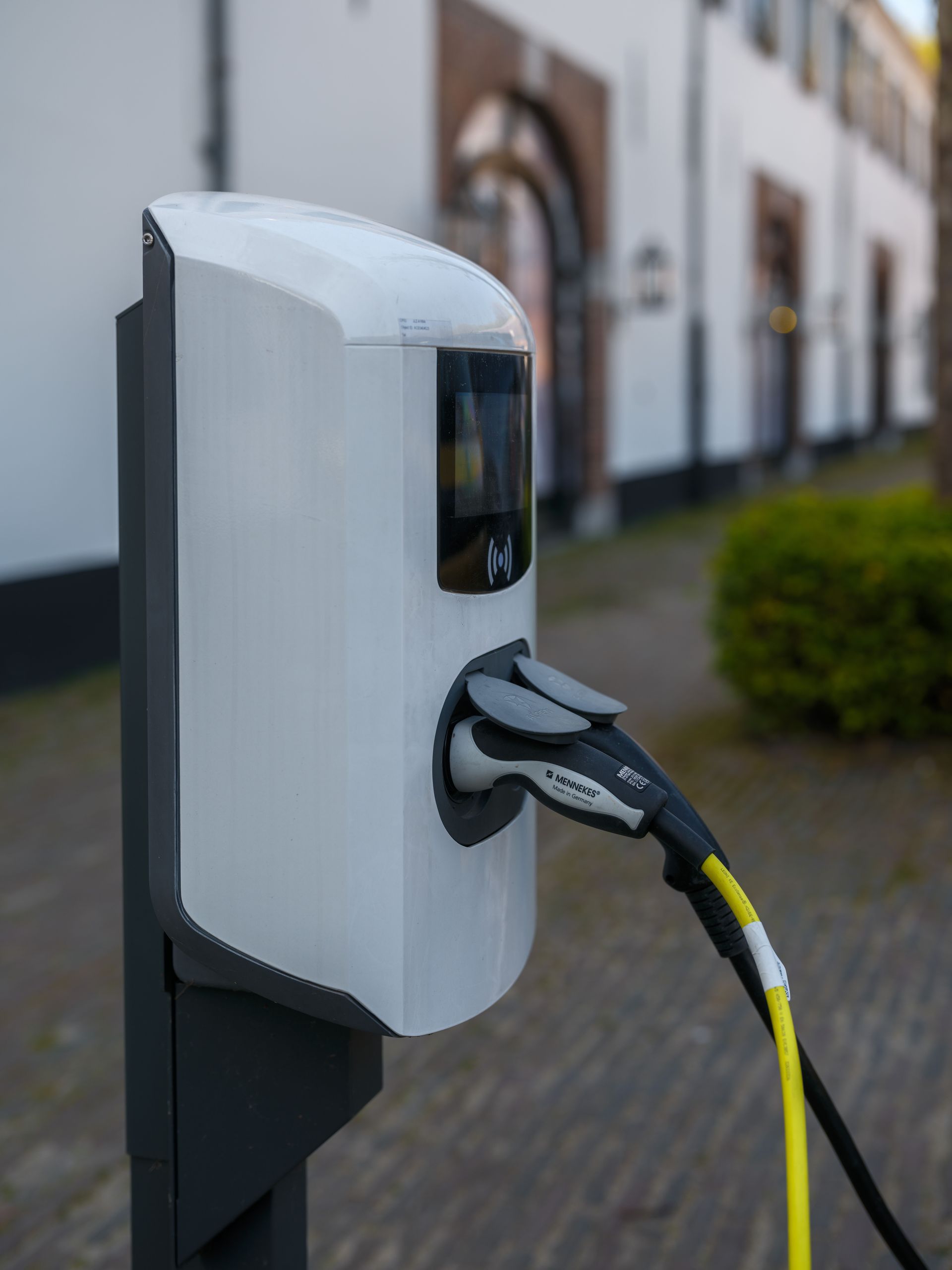
The biggest convenience of electric vehicles is that you can charge them at home, even while you sleep. How quick you can recharge your vehicle depends on the type of charger you have.
In Canada, EV Chargers are broken into three categories:
Level 1: Vehicle owners are often supplied with Level 1 chargers when they purchase their vehicle. These chargers plug into a standard 120v outlet, but the downside of this charger is it may take 10-20 hours to recharge from empty.
Level 2: If you plan on charging your vehicle at home, a Level 2 charger is what you would install. They will provide a full charge in 3 to 8 hours. Similar to large appliances in your home, they use a dedicated 240 volt power source and a dedicated circuit, potentially up to 60 amps. Installing a Level 2 charger requires an electrician to wire in a dedicated receptacle or hard wire the unit directly.
Level 3 “Super chargers”:
These chargers are direct current (DC) chargers and are at kiosks where you can pay to charge up your vehicle.
Does my house have the capacity to support an EV charger? This is a very common question. An EV charger adds a substantial load to your electrical infrastructure. Before an EV charger is installed, the electrician will summarize the existing electrical loads in a house and determine if there is enough capacity.
Our existing electrical service is undersized to add an EV charger, so now what? Upgrading the electrical service is one option, but there are others. Load sharing or charge controller devices can be wired in ahead of the charger and they will regulate the demand on the service. If the whole residence is demanding too much electricity, the EV charger will be put on hold until there is a smaller demand.
As we see more and more EVs on the road, the utility companies will need to find ways to provide electricity. Incentives or lower rates will be offered to those who charge their vehicles in the off-peak hours.
As Electric Vehicles become more common, ensuring that your home is ready for efficient charging is a great idea. Consulting with a qualified electrician and taking advantage of available rebates can make the transition smooth and cost-effective. And when you’re finished, you’ll enjoy the convenience of charging your car while you sleep!